
The Truth About Washington’s Tax System and What It Really Means for Life in Spokane
Moving to Washington feels like a financial win for a lot of people. No income tax. Cleaner paychecks. Higher take-home pay. On paper, it looks like one of the easiest financial decisions a family or remote worker can make.
But most people discover something different the moment they dig a little deeper.
Washington does not work like other states. It is not a low-tax state. It is a differently structured tax state, and the way it collects revenue shows up in places most newcomers never think to look.
If you are considering a move to Spokane or already packing boxes, this is the guide you wish someone handed you on day one.
The Big Misconception About Washington’s Taxes
When people hear “no income tax,” they assume the rest must be easy. And for certain groups, that can be true. High-income earners, remote workers earning out-of-state salaries, and retirees with strong pensions or investment income often see a big bump in what they keep each month.
But here is the reality. Washington still funds roads, schools, emergency services, infrastructure, public safety, and statewide programs. Instead of taxing your paycheck, the state layers its revenue across a long list of categories. Sales tax. Real estate excise tax. Property taxes. Business taxes. Estate taxes. Local levies. Fuel taxes. Utility taxes.
Most people do not notice the shift until they feel it personally.
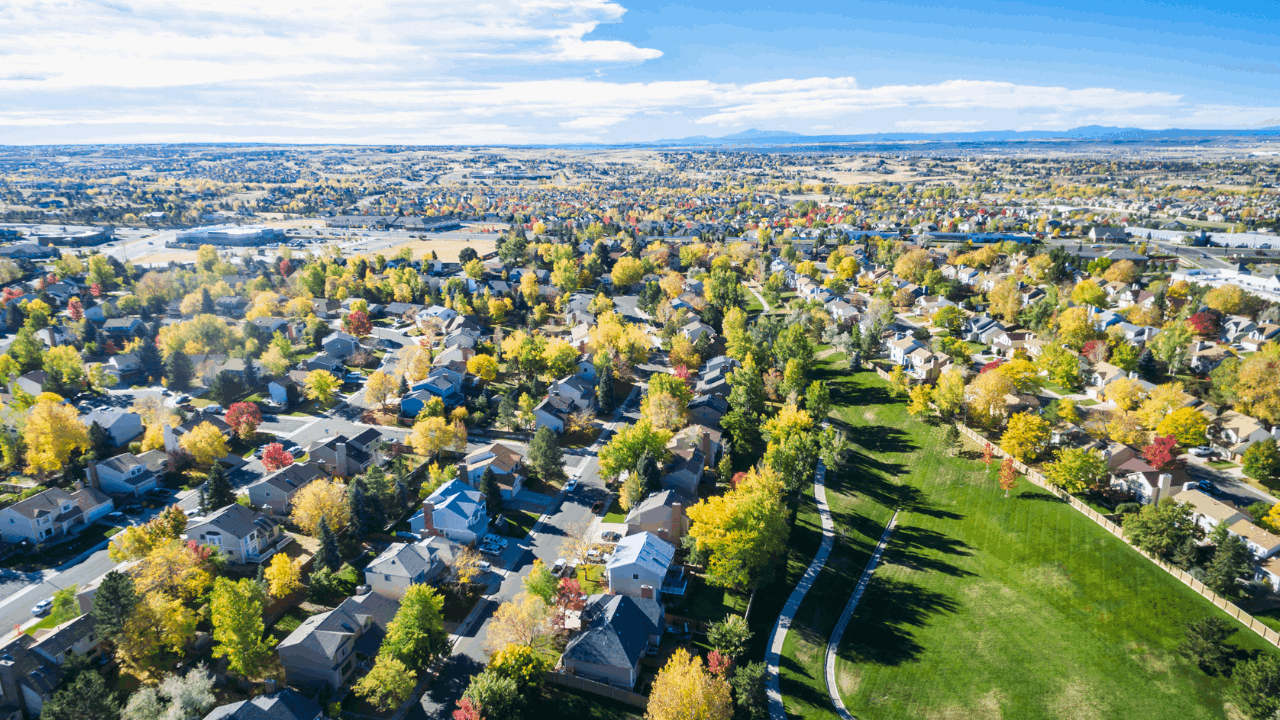
Sales Tax: The First Tax Everyone Feels
One of the first surprises that hits newcomers is the sales tax.
Washington’s base rate is 6.5 percent. Each city and county then stacks their own additions on top. In Spokane, most purchases land right around 9 percent.
Buy a two thousand dollar couch and you will pay about one hundred eighty dollars in tax.
Groceries and prescriptions are exempt, but nearly everything else is included. And almost every relocation client I work with has said the same thing: “I knew about the income tax part, but nobody warned me about how high the sales tax is.”
It is a shift you feel immediately.
Property Taxes: Simple Formula, Different Outcome
Property taxes in Washington work differently than in states where taxes are based on what you paid for your home.
Here, property taxes are based on assessed value. Spokane County’s effective rates usually fall between 0.9 percent and 1.1 percent. So if your home is assessed at five hundred thousand dollars, you will likely pay somewhere between forty-five hundred and fifty-five hundred per year.
And yes, assessments can be frustrating. The assessor only takes an exterior photo every four years or so, then uses an algorithm to estimate how much your home’s value has changed. That means the number they use does not always match what your home would actually sell for.
On Spokane’s South Hill, I have seen assessed values come in higher than actual market value. Some homeowners fight it. A few win. But it is not an easy battle.

The Real Estate Excise Tax: The One That Surprises Every Seller
If there is one tax that shocks people the most, it is the real estate excise tax, often called the REET.
In Washington, you pay a tax when you sell your home, based on the sale price, not your profit.
For most homes under three million dollars, the blended rate falls between 1.1 percent and 2.75 percent.
Sell a six hundred thousand dollar home in Spokane and expect to pay around ninety-seven hundred dollars in excise tax. It comes out of your proceeds automatically, so you will not write the check yourself. But you will definitely feel the difference in your final net number.
For anyone thinking about tapping equity or selling soon, knowing this tax ahead of time can save a lot of stress.
The B and O Tax: A Hidden Hit for Self-Employed Residents
Washington is one of the only states where businesses get taxed on gross revenue, not profit.
If you are a contractor, consultant, freelancer, or small business owner, you will come across the B and O tax quickly. Most small businesses pay around 1.5 percent, but the rate changes by industry.
Even if your expenses are high and your profit margin is slim, the state still taxes your total revenue. For new residents who own businesses, this is often one of the biggest surprises.
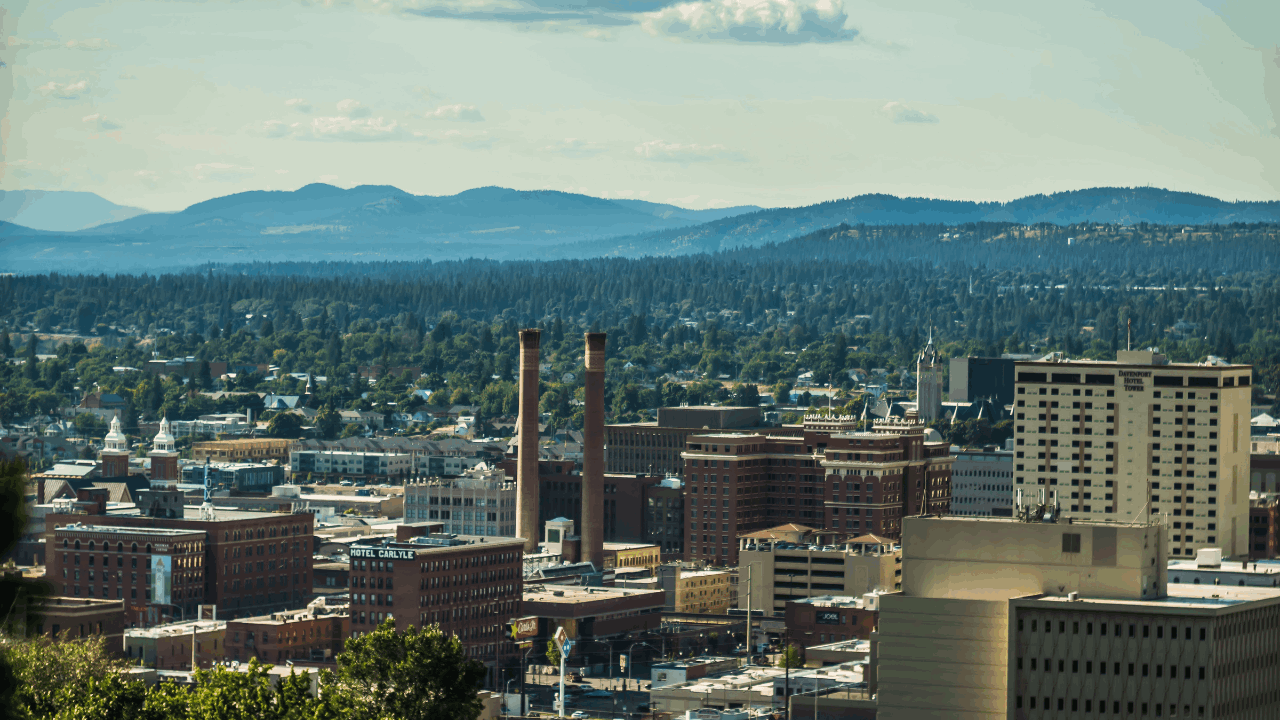
Estate Taxes, Capital Gains, and Long-Term Planning
Washington also has an estate tax. It currently applies to estates above roughly 2.2 million dollars, and it is increasing soon to 3 million. The rate ranges from 10 to 20 percent.
That number may sound high, but plenty of everyday long-term homeowners reach that threshold through retirement savings, a paid-off home, and modest investments.
There is also a long-term capital gains tax on certain assets above 275,000 dollars in profit. Real estate is exempt for now, but it is something investors pay close attention to.
These taxes shape how people plan for the next chapter of their lives.
Zooming In: Taxes That Are Specific to Spokane
While statewide taxes paint the broad picture, local taxes determine what your daily life feels like in Spokane.
Here are the ones that consistently show up for residents.
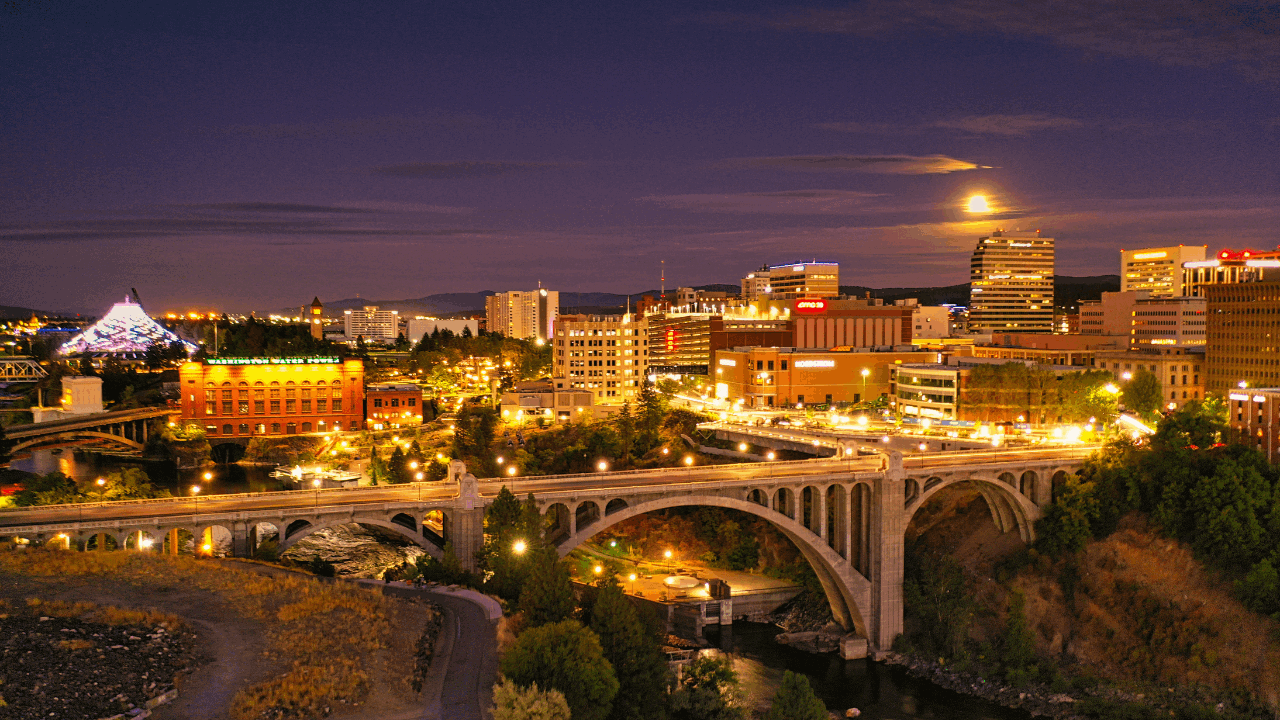
Utility Taxes: Small Charges That Add Up Fast
Spokane currently charges a 21 percent tax on water, sewer, and garbage. There are also separate taxes on electricity and natural gas. These are not unusual for a city our size, but they hit harder in the winter when usage jumps.
There is also an active discussion about raising these rates slightly, depending on upcoming city votes.
Public Safety Levies and EMS Funding
These voter-approved levies support police, fire, and emergency response. They renew periodically and form part of your property tax bill. Spokane has relied on these for years, and most residents support them because they know the funds stay local.
Local Initiatives and Housing-Related Measures
Spokane has added several targeted initiatives tied to housing, redevelopment, homelessness response, and infrastructure. These usually show up as small increases to existing levies or targeted taxes on specific types of construction.
One recent example is the Together Spokane initiative, which will add about eight dollars per month to the average homeowner’s tax bill.

The Paid Parking Tax Proposal
Spokane is also debating a 12 percent tax on paid surface-lot parking downtown and a 6 percent tax on garage parking.
The vote has been delayed until April 2026, so nothing changes for now. But this proposal could shape how downtown redevelops over the next decade.
So What Does All This Mean If You Live in Spokane?
It means Washington does not take from you upfront through income tax. Instead, costs show up later and in different places.
Sales tax. Utility taxes. Real estate excise tax. B and O tax. Levies. Estate tax. Capital gains. Local add-ons.
Some people love the tradeoff because they value the take-home pay and financial freedom that comes with no income tax. Others prefer a state where taxes are more centralized and predictable.
Neither choice is right or wrong. What matters is being informed so nothing blindsides you later.
And that is the heart of this entire breakdown. Understanding how the system works so you can plan your move, your home purchase, or your long-term future in Spokane with clarity and confidence.
If you ever want a customized estimate of your selling costs, net proceeds, property taxes, or what your budget looks like in Spokane’s current market, reach out anytime. I am here to help you make the move with confidence, not surprises.
Categories
- All Blogs (944)
- Airway Heights (5)
- Audubon/Downriver (5)
- Balboa/South Indian Trail (5)
- Bemiss (3)
- Browne's Addition (3)
- Buying Your Home in Spokane (236)
- Cheney (3)
- Chief Garry Park (3)
- Cliff-Cannon (3)
- Colbert (2)
- Comstock (4)
- Cost of Living in Spokane (2)
- Dishman (3)
- Downtown Spokane (1)
- Driving Tours (1)
- East Central (3)
- Emerson/Garfield (3)
- Five Mile Prairie (5)
- Grandview/Thorpe (3)
- Greenacres (3)
- Hillyard (3)
- Home Improvement (8)
- Home Prices (5)
- Housing Inventory (6)
- Housing Market (137)
- Housing Market Update (4)
- Instagram Videos (2)
- Interest Rates (24)
- Job Market in Spokane (3)
- Kendall Yards (1)
- Know Spokane (636)
- Latah Valley (5)
- Liberty Lake (8)
- Lincoln Heights (4)
- Living in Spokane (2)
- Logan (3)
- Manito-Cannon Hill (3)
- Mead (1)
- Medical Lake (4)
- Minnehaha (3)
- Moran Prairie (3)
- Mortgage (26)
- Moving out of Spokane (4)
- Moving to Spokane (168)
- Nevada/Lidgerwood (3)
- New Construction Homes in Spokane (1)
- New Construction Opportunities (3)
- North Hill (3)
- North Indian Trail (4)
- Northwest (3)
- Opportunity (3)
- Peaceful Valley (3)
- Relocating to Spokane (7)
- Retiring in Spokane (1)
- Riverside (3)
- Rockwood (4)
- Selling Your Spokane Home (175)
- Shiloh Hills (3)
- Southgate (3)
- Spokane Events (451)
- Spokane Neighborhoods (51)
- Spokane Restaurants/Food Places (24)
- Spokane Schools (12)
- Spokane Valley (14)
- Suncrest (1)
- Things to Do in Spokane (465)
- Veradale (3)
- West Central (3)
- West Hills (3)
- Whitman (3)
- Youtube Videos (49)
Recent Posts