Relocating to Spokane, WA: Your Ultimate Guide to Moving & Living in the Lilac City
Thinking about making Spokane, Washington your new home? You’re not alone – this second-largest city in Washington is attracting newcomers with its blend of small-town charm and big-city amenities. Spokane (nicknamed “The Lilac City”) offers a lower cost of living, abundant outdoor recreation, and a friendly community vibe that appeals to families, remote workers, and retirees alike. But like any city, it comes with its own quirks and challenges. In this comprehensive guide, we’ll give you the honest scoop on relocating to Spokane – from the best neighborhoods to live in, to the real pros and cons, to answers for all those burning questions (Is Spokane a good place to live? Where should I live in Spokane? What’s the weather like?). By the end, you’ll feel like you have a local friend guiding you through your Spokane move – no hype, just practical, friendly advice.
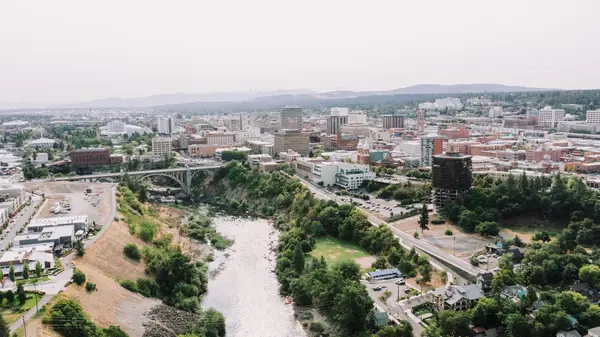
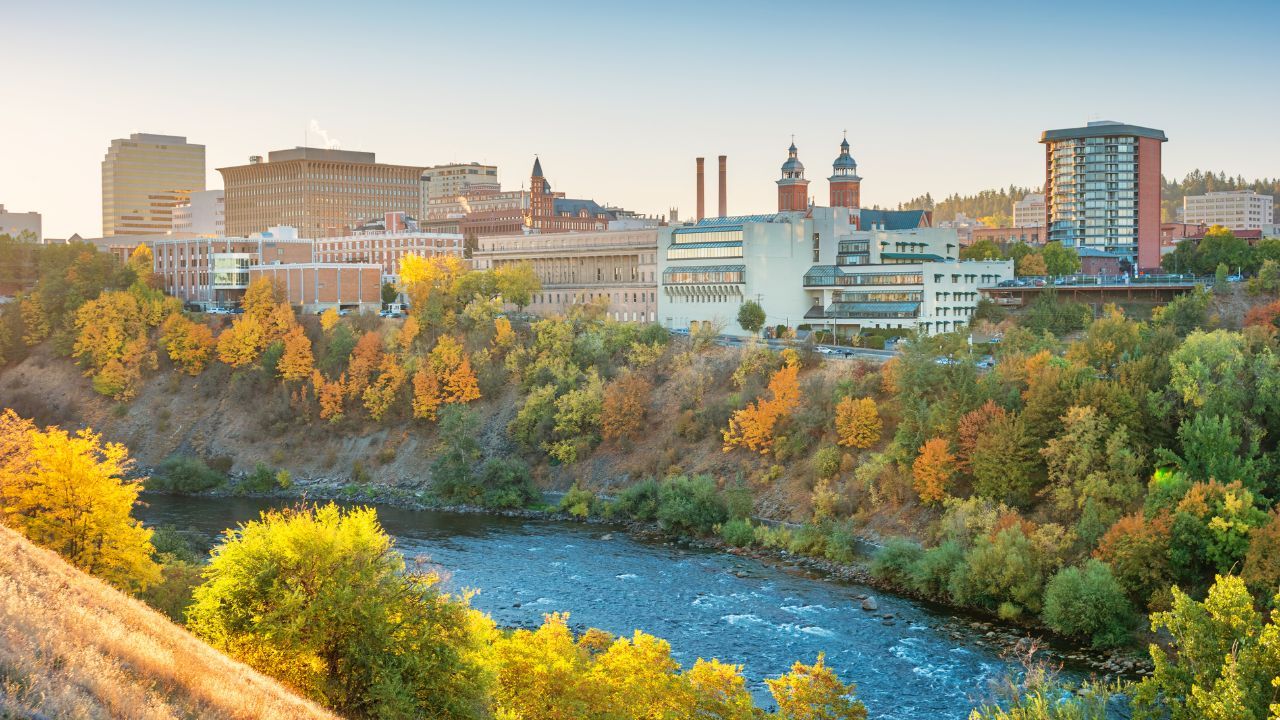
Downtown Spokane skyline as seen from the South Hill (Woldson Park) – a mix of city amenities and lush green surroundings.
Whether you’re drawn by Spokane’s affordability (think housing prices half of Seattle’s), its outdoor lifestyle (rivers, lakes, and mountains at your doorstep), or a desire for a tight-knit community with a slower pace, it’s important to plan your move with eyes wide open. Let’s dive into everything you need to know to make relocating to Spokane a success.
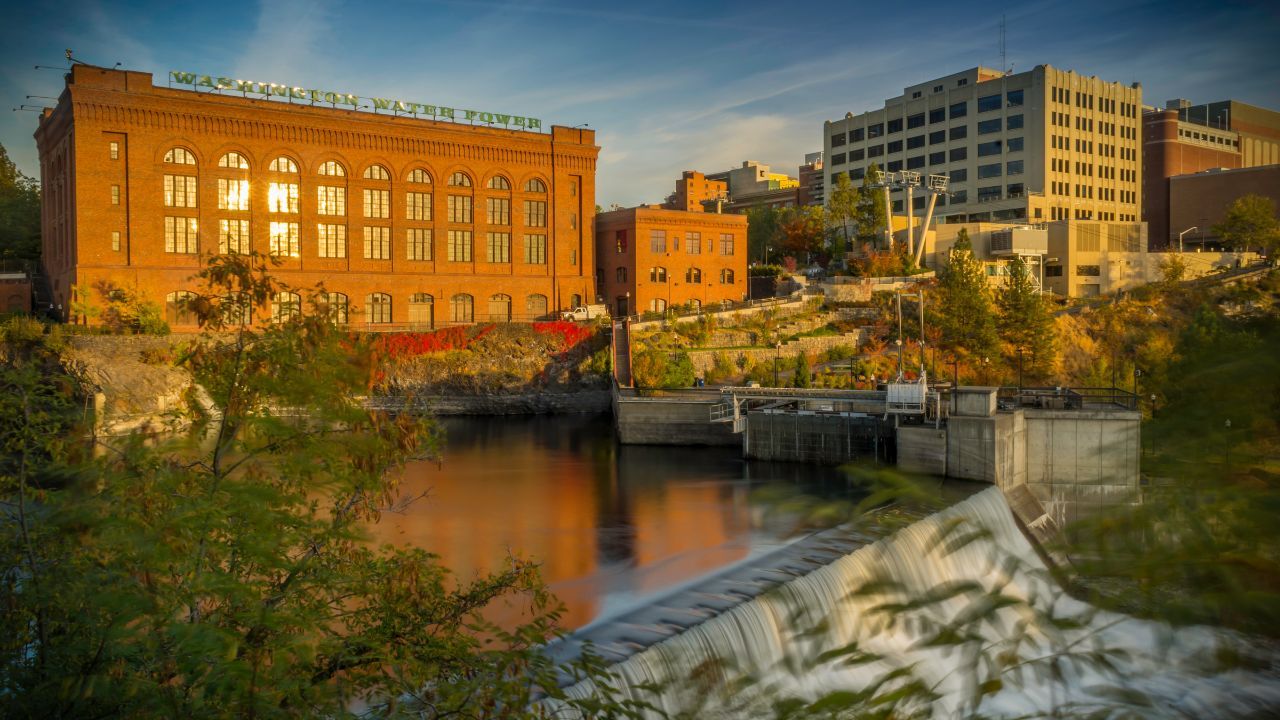
Is Spokane a Good Place to Live? Pros and Cons of Moving to Spokane
Like any city, Spokane has its upsides and downsides. As a local expert, I’ll shoot you straight – here are the key pros and cons of living in Spokane, WA:
Pros of Living in Spokane
- Affordable Cost of Living: Spokane is more affordable than most West Coast cities. Housing, in particular, is a bargain – the median home price is around $400K-$450K in 2025, roughly half the cost of Seattle’s median (which tops $750K). Overall, day-to-day expenses sit a bit below the U.S. average (about 3% lower), and housing costs are ~16% lower than national average. Your dollar simply stretches further here.
- No State Income Tax: Washington State has no state income tax, so Spokane residents take home more of their paycheck. This is a huge draw for people moving from states like California or Oregon. (Keep in mind sales tax is about 9%, but still – no income tax is a win!)
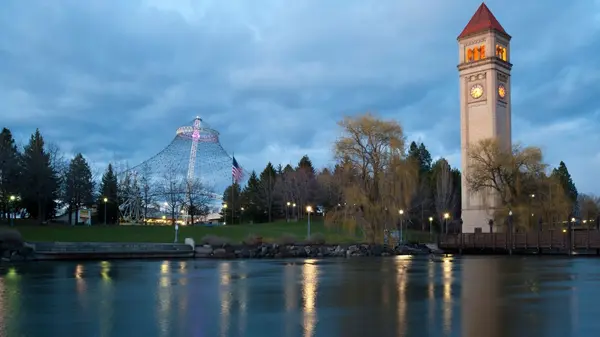
- Outdoor Paradise: If you love the outdoors, Spokane delivers. The city is surrounded by natural beauty – mountains, rivers, forests, and lakes. You can go skiing or snowboarding at Mt. Spokane or nearby resorts in winter, hike and mountain bike on countless trails, paddleboard the Little Spokane River in summer, or spend weekends at Lake Coeur d’Alene (just 30 minutes away in Idaho). With over 87 parks (including the famous Riverfront Park downtown and scenic Manito Park on the South Hill), outdoor recreation is part of everyday life.
- Mild Summers & Four Seasons: Spokane enjoys four distinct seasons without the extreme weather some places get. Summers are warm, sunny, and dry (average high ~84°F in July) but not too humid. It’s common to have long summer evenings with gorgeous sunsets. Spring and fall are pleasant and colorful (yes, lots of lilacs bloom in spring!). If you’re moving from a place like Phoenix or Texas, you’ll appreciate the milder summer climate and seasonal variety.
- Community Feel & Livability: Despite being a metro of around 600,000 people, Spokane manages to feel friendly and close-knit. Strangers chat in line at the grocery store. Neighborhood communities are active – expect farmers markets, outdoor concerts, and neighbors who say hello. Commutes are short (most places in town are 15–30 minutes away), and traffic is minimal compared to bigger cities. It’s an easy city to navigate and settle into.
- Growing Arts, Food, & Brewery Scene: Spokane’s downtown and surrounding districts have developed a fun cultural scene. You’ll find craft breweries, wineries, and coffee roasters galore (the region’s hops and grapes support a booming beer and wine industry). The food scene is diverse and growing, from food trucks and farmers markets to new restaurants (don’t miss the locally-famous Davenport Hotel brunch or a scoop at The Scoop ice cream). Arts and entertainment are on the rise too – Spokane has a symphony, theater companies, live music venues, art galleries, and hosts events like Hoopfest (world’s largest 3-on-3 basketball tourney) and Bloomsday (a huge annual race). You won’t be bored here, even if it’s not Seattle.
Cons of Living in Spokane
- Lower Wages & Fewer Job Opportunities: Spokane’s job market isn’t as robust as larger cities. Major industries include healthcare (big employers like Providence Sacred Heart Medical Center), education (Gonzaga University, Whitworth, etc.), government, military (Fairchild Air Force Base), and some manufacturing and tech – but overall, salaries tend to be lower than in Seattle or California for similar jobs. If you’re transferring a remote job or retiring, this may not matter. But if you’ll be job hunting locally, expect more limited opportunities in specialized fields and a pay cut compared to major metros.
- Cold, Snowy Winters: The flip side of those mild summers is the winter. Spokane winters are cold, snowy, and long. From late November through February, expect regular snowfall (around 44 inches of snow per year on average) and temperatures often below freezing (nights in the 20s °F, days in the 30s). The city does plow the main roads, but neighborhood streets can stay icy – you’ll likely need a vehicle equipped for snow and some winter driving savvy. The cold is manageable if you dress for it (and hey, winter sports are a perk), but if you hate snow, Spokane might test your patience.
- Higher Crime Rate in Some Areas: Spokane struggles with higher-than-average crime rates, especially property crime. As of recent data, the city’s crime rate is about 62 incidents per 1,000 residents – meaning a 1 in 16 chance of being a victim of crime, which is well above the national average. Car theft and break-ins are notably high. The good news is that crime is very localized – many neighborhoods (particularly in south Spokane, certain suburbs, etc.) are quite safe, while a few areas (parts of downtown, East Central, etc.) have more issues with theft, drug activity, and homelessness. As a newcomer, you’ll want to research neighborhoods carefully (don’t worry – we’ll cover that next) and take common-sense precautions (lock your car, consider a security system). Spokane is generally safe day-to-day, but like any city, some pockets require more awareness.
- Less Diversity & Big-City Amenities: Culturally, Spokane is improving but still less diverse and cosmopolitan than larger cities. The population is predominantly white, and while that’s slowly changing, you might miss the multicultural experiences (cuisines, festivals, cultural communities) found in bigger metros. Big-city amenities like pro sports teams, high-end shopping districts, and major international airports are absent – you’ll drive to Seattle (~4 hours) or fly through Seattle/Denver for some flights. If you crave a bustling metropolis vibe, Spokane will feel more like a large town. The flip side is less traffic and stress, but it’s a trade-off to consider.
- Air Quality & Environmental Concerns: Spokane generally has clean air, but wildfire smoke has become a concern in late summers. In some recent years, wildfire smoke from around the region causes hazy, unhealthy air for a week or two in August. Additionally, some older homes in Spokane have lead pipes or radon issues (radon is common in the Inland Northwest), so buyers should test for those. These aren’t deal-breakers for most (filters and mitigations exist), but are worth being aware of as part of life in the Inland Northwest.
- Education Variability: If you have kids, know that Spokane’s school quality can vary widely by district. Some public schools (especially in suburbs like Mead, Liberty Lake, or areas like South Hill) are highly rated, while others in lower-income neighborhoods underperform. There are good options – strong public schools in certain areas, well-regarded private schools, and active homeschool networks – but you’ll want to factor school district boundaries into your home search if you’re raising a family. The region’s universities (like Gonzaga, Eastern Washington University, WSU’s Spokane campus) add educational opportunities, but K-12 quality depends on location.
In short: Spokane is a genuinely lovely place to live for those who value affordability, nature, and community over big-city buzz. The quality of life is high – but it’s not paradise for everyone. Next, we’ll look closer at Spokane’s cost of living and then zoom in on where to live in Spokane, since picking the right neighborhood makes all the difference here.
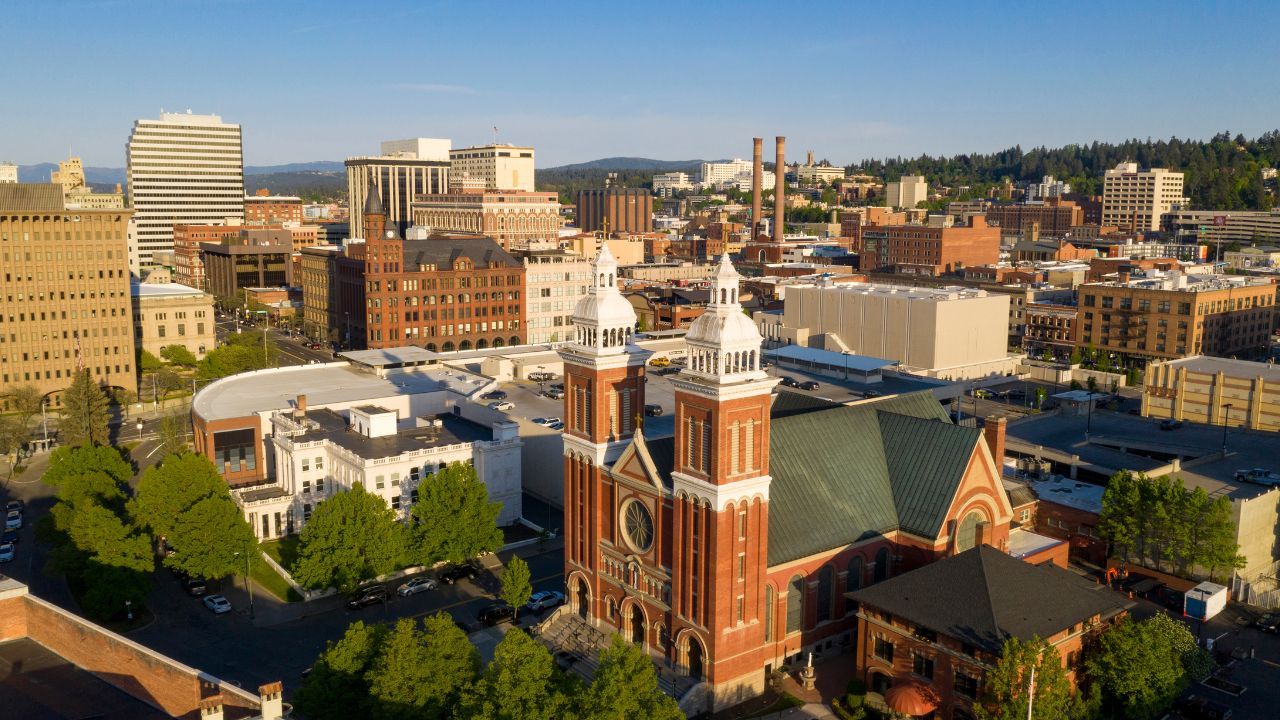
Cost of Living in Spokane, WA
One of the biggest reasons people relocate to Spokane is the cost of living. Simply put, your money goes further here than in most major West Coast cities. Let’s break down the key cost factors:
- Housing: This is the game-changer. Spokane’s housing costs are significantly lower than Seattle, Portland, or California metros. As mentioned, median home prices are around $400K–$450K as of 2025. You can find good-sized single-family homes in nice neighborhoods in the $350K–$500K range, and more upscale luxury homes in the $600K+ range. Condos and townhomes downtown might be in the $300Ks. By comparison, Seattle’s median is $750K+ and rising. Renting? Average rents in Spokane are about $1,300–$1,500 for a 2-bedroom apartment, depending on location. There are definitely cheaper apartments in older buildings and more expensive new luxury complexes, but overall rent is far more reasonable than coastal cities. Property taxes in Spokane County are moderate (around 1% of home value annually), and Washington has no state income tax, which can save you thousands per year if you’re coming from a state that has one.
- Utilities & Groceries: These costs are around the national average, with a few quirks. Electricity is relatively cheap (Washington gets lots of hydroelectric power), but natural gas heating in winter will bump your bills during the cold months. Water/sewer tends to be affordable. Groceries in Spokane run a tad higher than the U.S. average (about 7% higher) – possibly due to transportation costs – but nothing outrageous. You’ll find plenty of budget grocery options (WinCo, Grocery Outlet) alongside organic grocers (Trader Joe’s, Whole Foods).
- Transportation: If you drive, gas prices in Spokane hover around the national average, sometimes a bit higher due to Washington’s gas tax. Traffic is light, so you won’t waste fuel in gridlock. Car insurance is fairly reasonable. One cost saver: you likely need a car in Spokane (transit exists but isn’t comprehensive), but commutes are short, so you won’t be driving as far or as long as in big cities. Public transit (Spokane Transit Authority buses) is inexpensive, but service can be limited outside the core. Rideshares (Uber/Lyft) are available but not as plentiful as bigger cities.
- Healthcare: Spokane has excellent medical facilities (as a regional hub, it serves patients from all over the Inland Northwest). Healthcare costs are slightly above U.S. average – about 7% higher than national average – largely because there are fewer providers than in a major metro. If you have specialized medical needs, the good news is you likely can get care locally thanks to major hospitals and clinics in town.
- Miscellaneous: Sales tax is 8.9% in Spokane County, so just under Seattle’s 10%. Washington’s minimum wage is relatively high (over $15/hour) which can make services a bit pricier than say, the Midwest, but it also means better pay for service jobs. Dining out, entertainment, and services (like haircuts, gym memberships, etc.) tend to be reasonably priced. You can have a nice dinner for two at a top Spokane restaurant for under $100, and a craft beer might run $6–7 – compare that to $12 cocktails in L.A. and you get the picture.
Bottom line: For a median-income household, Spokane offers a comfortable life at a lower cost. A 2025 study noted Spokane’s overall cost of living is around 3% below the national average, with housing being the biggest savings (16% below U.S. average). Many folks moving from pricier cities find they can afford a larger home or even drop to one income and still maintain a good lifestyle here. Just remember that lower wages may offset some savings if you’re changing jobs locally – but if you’re bringing a remote job or pension, you’ll likely feel comparatively “rich” in Spokane.
Next, we’ll explore arguably the most important part of your Spokane relocation: Which neighborhood or area should you live in? Spokane’s neighborhoods each have their own character, and choosing the right one will make a huge difference in how well you enjoy the city.
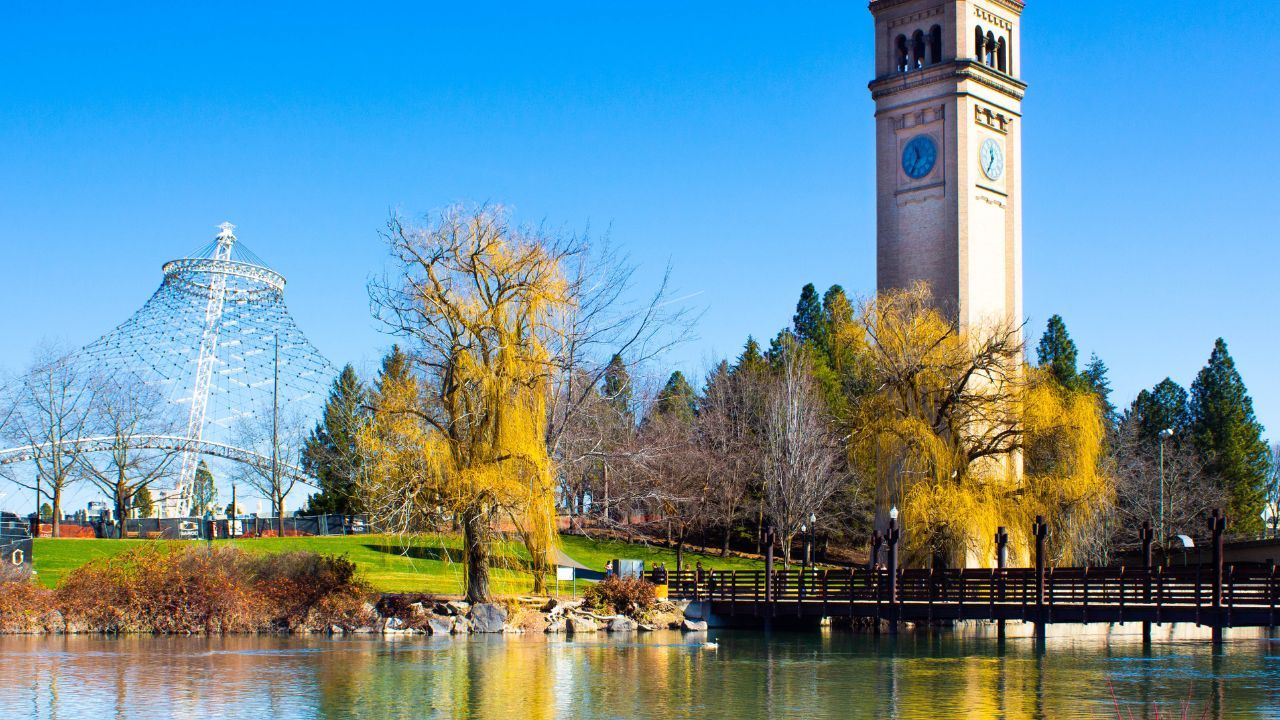
Best Places to Live in Spokane – Neighborhoods Guide
One of Spokane’s strengths is the variety of neighborhoods and surrounding communities you can choose from. Whether you want a walkable urban lifestyle, a quiet suburban neighborhood with great schools, or a rural retreat with land – there’s something for you in the Spokane area. Below is a neighborhood-by-neighborhood breakdown of some of the most popular and recommended areas for newcomers (with local insider insights on each):
Downtown & Kendall Yards (Urban Core Living)
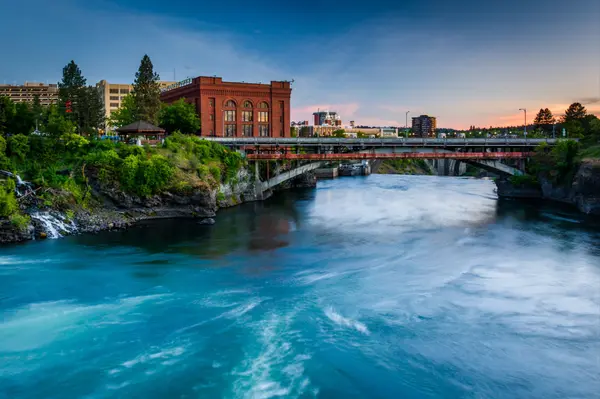
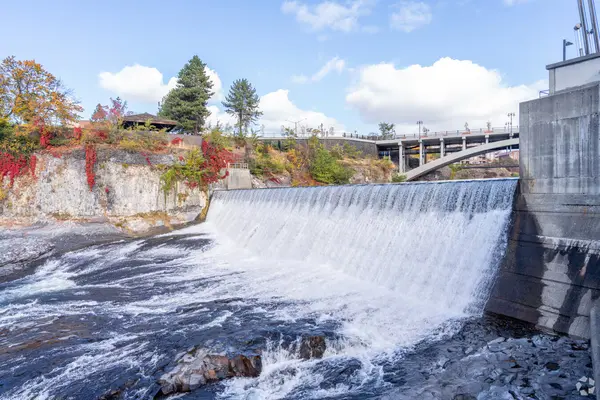
If you crave urban living – walking to restaurants, shops, and events – downtown Spokane or the adjacent Kendall Yards area could be your spot. Downtown Spokane is a modest skyline centered on the Spokane River. Living downtown, you’ll find converted lofts, modern condos, and apartments. Pros include being steps from Riverfront Park (with the iconic Spokane Falls roaring through), the Spokane Arena and Performing Arts Center (for concerts and shows), and lots of dining and nightlife options. Kendall Yards, just across the river to the northwest, is a trendy newer urban neighborhood with modern townhouses and apartments, artisan shops, coffee roasters, and eateries clustered along a scenic pedestrian trail. It’s extremely walkable and has stunning views of the river and downtown skyline.
Vibe: Young professionals, retirees who want to ditch the car, and anyone who likes being in the center of the action. Summers bring outdoor events (farmers markets, food truck nights, live music) right to your doorstep.
Considerations: Downtown living means condos or apartments (single-family homes are rare here). Parking can be tight if you don’t have reserved space. Some parts of downtown have homelessness and crime issues – nothing like a big city, but you’ll see panhandlers and should be street-smart at night in certain blocks. Kendall Yards is very safe and polished, but comes with higher housing costs per square foot (you’re paying for the lifestyle).
South Hill (Historic Charm and Top Schools)
When Spokanites talk about “the South Hill,” they’re referring to the large, elevated residential area just south of downtown. South Hill is one of Spokane’s most desirable areas, known for its beautiful tree-lined streets, historic homes, and great parks. Neighborhoods like Manito Park, Rockwood, Cliff/Cannon, and Comstock feature gorgeous early-20th-century houses (Craftsman bungalows, brick Tudors, etc.) as well as newer constructions in pockets. South Hill has a very residential, family-friendly feel. Many of the city’s best schools (both public and private) are here, making it a top pick for families.
You’ll find charming local business districts like Perry District (hip eateries, a summer street fair, farmer’s market) and Lincoln Heights (shopping centers and services) sprinkled throughout South Hill, so you’re never far from amenities. Manito Park – a 90-acre park with a famous botanical garden, duck pond, and playgrounds – is a crown jewel of the city and basically South Hill’s backyard.
Vibe: If you want a classic neighborhood feel with a mix of young families, professionals, and long-time locals, South Hill is ideal. Halloween on the South Hill is legendary (picture hundreds of kids trick-or-treating down picturesque streets). It’s the kind of place people walk their dogs and chat with neighbors.
Considerations: Housing on South Hill can be pricier by Spokane standards – but still affordable compared to big cities. Older homes may need updating (and come with higher property taxes in historic districts). Being up on a hill, winters can be tricky – the neighborhood’s side streets get snowy and sometimes slick; a 4WD vehicle or good snow tires are advised. Commute downtown is quick (10-15 minutes), but getting to north side or Spokane Valley from South Hill involves driving through downtown traffic. Overall, for many, the pros of South Hill outweigh these minor cons.
North Spokane & Five Mile Prairie (Suburban Life on the North Side)
“North Spokane” covers a broad area north of the Spokane River, including several neighborhoods and unincorporated communities. It’s a mix of established residential areas and newer developments. Key areas often mentioned include Five Mile Prairie, Indian Trail, Northwest Spokane (Shadle area), Whitworth/Five Mile, and the Mead area further north.
- Five Mile Prairie / Indian Trail: This western/northwestern part of the city has newer subdivisions on a plateau (Five Mile) and along Indian Trail Road. It’s known for excellent schools (Mead School District overlaps here), larger modern homes (often 1990s-2000s builds with big yards), and a safe, family-oriented atmosphere. Five Mile has a unique “on the prairie” feel – somewhat removed and quiet, with great views of the city from the edges. Indian Trail area has a handy shopping center and library. You’ll largely need a car here, but you can drive to downtown in ~20-25 minutes.
- Shadle & North Monroe: Closer to the city center (Northwest Spokane), you have established mid-century neighborhoods like Shadle (with a mid-century mall and new library) and the Garland District (a funky area with the historic Garland Theater, vintage shops, and diners). Homes here are more affordable (often under $300K for a 3-bed) and it’s a solid middle-class area. Some blocks are lovely, some more modest – a bit of variation. Being closer in, you have quicker access to downtown (10-15 min drive) and the northside’s big retail corridor on Division St.
- Mead & Wandermere: Further north (past the city limits) lies Mead, an unincorporated suburban area with highly rated Mead schools. This area has a mix of older farms and brand-new subdivisions (e.g., Wandermere area near the golf course). It’s classic suburbia – newer shopping centers, chain stores, lots of cul-de-sacs with families on bikes. It’s about 20-30 minutes drive to central Spokane.
Vibe: North Spokane offers convenience – major stores (Costco, Target, etc. along Division and Newport Highway), good schools especially in Mead District, and housing options from starter homes to upscale new builds. Many families and retirees choose the north side for its value and safety.
Considerations: Parts of north Spokane (especially closer to downtown around North Monroe or Hillyard on the northeast side) have some rougher areas – but places like Five Mile, Indian Trail, and Mead are very safe and suburban. Traffic on Division Street (the main north-south artery) can be congested with all the commercial development. If you live way north (e.g., Colbert/Mead), your commute in winter can be a bit of a slog in snow. But overall, the north side’s pros – affordable newer homes, amenities, and decent schools – make it a solid pick.
Spokane Valley (Suburban Convenience and New Developments)
Spokane Valley is actually its own city (incorporated in 2003), directly east of Spokane. The Valley stretches along I-90 and the Spokane River, encompassing a lot of suburban neighborhoods and shopping areas. If you’re coming from a suburban background, Spokane Valley will feel very familiar and comfortable. You’ll find a mix of older 1950s-70s ranch-style neighborhoods and lots of new housing developments popping up on former farmland.
Popular Valley neighborhoods/areas include Greenacres, Liberty Lake (though technically its own city, usually lumped in with the Valley), Central Valley, and Veradale. Many people choose the Valley for the schools – the Central Valley and West Valley school districts have several top-rated schools – and for newer housing. It’s a great place to get a newer construction home with modern layout, without paying a fortune. Liberty Lake (at the far east end) is particularly notable – see below for more on that.
Amenities: Spokane Valley has everything you need shopping-wise: big box stores, Spokane Valley Mall, tons of restaurants (many chains, some local), and medical facilities. It’s also closer to Idaho (Coeur d’Alene is 20-30 minutes east), which some enjoy for recreation or tax-free shopping on big ticket items. Parks like Mirabeau Point and the Centennial Trail (which runs through the Valley along the river) provide recreation.
Vibe: The Valley is often described as “more suburban and spread-out” compared to Spokane proper. Yards are bigger, streets wider. It’s very much car-centric. You’ll see kids playing in cul-de-sacs and folks tending to their lawns. Crime in the Valley is generally lower than in Spokane city, though car thefts and property crimes still occur (as they do anywhere).
Considerations: If you work in Spokane or like going downtown often, living in the Valley means a commute on I-90 (15–25 minutes typical, but it can back up during rush hour or if there’s an accident). Culturally, the Valley is a bit more conservative and homogeneous than the city – something to note depending on your preferences. One other thing: parts of the Valley (especially west end) have older industrial areas and aren’t very walkable – so choose neighborhood carefully if aesthetics matter to you. But many people absolutely love Spokane Valley for its blend of convenience, newer housing, and family-friendly feel.
Liberty Lake (Affluent Suburb with Recreation)
On the far eastern edge of the Spokane area, Liberty Lake deserves its own shout-out. This small city (really a suburb/master-planned community) built around a beautiful lake has become one of the most sought-after areas for those with a higher budget. Liberty Lake offers upscale newer homes, excellent schools, and a resort-like environment. Golf courses, a trail-lined lakefront, and community events make it feel like a bit of a bubble (in a good way).
Homes in Liberty Lake range from luxury houses on the hills overlooking the lake to family subdivisions with parks and community pools. It’s clean, safe, and has its own growing retail strip of shops and eateries. If you’re relocating from California suburbia, Liberty Lake might feel like the closest thing to that planned community vibe.
Vibe: Affluent, active families and professionals. People here tend to be really into outdoor activities – you’ll see residents golfing, boating, cycling the Centennial Trail (which passes through), and using the large Liberty Lake Regional Park. There’s a strong sense of community pride (holiday parades, summer concerts in the park, etc.).
Considerations: Liberty Lake is pricey for Spokane standards – expect to pay a premium for those lake views and newer builds. It’s also a bit removed: roughly 20 minutes drive to downtown Spokane, and only about 15 minutes to Coeur d’Alene, Idaho. If you work remotely or in the Valley, that’s fine, but if you have to commute to Spokane every day, factor in the drive. Also, while there are stores and restaurants, for any major shopping or nightlife you’ll head into Spokane or CDA. All told, Liberty Lake is a gem if it fits your budget and you want that suburban-lake life.
West Plains: Airway Heights, Cheney & Medical Lake (Small Towns Near the City)
Heading west of Spokane, the area known as the West Plains offers more semi-rural living with the benefit of close proximity to the city. The key communities here are Airway Heights, Cheney, and Medical Lake:
- Airway Heights: Just 10 minutes west of Spokane (along Hwy 2), Airway Heights has grown quickly. It’s home to Fairchild Air Force Base and a large tribal casino resort, which means lots of military families and hospitality workers live here. You’ll find many newer housing developments sprouting up (often at slightly lower price points than in Spokane proper) and convenient shopping (e.g., a Walmart, etc.). It’s a flat, plateau area – not much in terms of scenery – but very convenient if you work at the Air Force base or want to be near the airport (GEG Airport is here). One cool perk: Northern Quest Casino brings in concerts, has great restaurants, and even a luxury movie theater – giving locals entertainment options.
- Cheney: About 15–20 minutes southwest of Spokane, Cheney is a classic small college town, home to Eastern Washington University. It has a cute little downtown, some historic homes, and of course, a lot of college student rentals. Cheney offers a quiet life and affordable housing – many homes under $300K – which can be appealing for first-time buyers. If you’re affiliated with the university or don’t mind a commute into Spokane, Cheney provides a tight-knit community vibe. Schools (K-12) in Cheney also serve parts of southwest Spokane, and they have a good reputation. One thing to note: Cheney is windy (it’s on exposed plains) and can feel a bit isolated if you crave city amenities.
- Medical Lake: Near Airway Heights, Medical Lake is a small town by (you guessed it) a lake. It’s pretty sleepy, but has some lakeside parks and a handful of shops. Housing is more limited (mostly older homes or small developments), but people who live here like the tiny-town feel. It’s roughly a 20-minute drive into Spokane.
Vibe: West Plains communities are perfect if you want small-town living with an easy hop to the city. They tend to be more rural in character – you might have a larger lot or even some acreage. These areas skew a bit more conservative and have a lot of longtime locals. Life is quieter – Friday night lights at the high school football game kind of thing.
Considerations: If you frequently commute to Spokane, factor in gas and winter driving (open plains can mean drifting snow). Also, aside from Airway Heights, these towns don’t have all services – you may go into Spokane for major shopping or specialized healthcare. But for many, the trade-off of space, affordability, and a slower pace is worth it.
Other Notable Areas to Consider
- Coeur d’Alene, ID: Not Spokane, but just 30 miles east across the Idaho border. Some people who move for Spokane jobs actually choose the Coeur d’Alene area for its stunning lake and slightly different lifestyle (and Idaho’s lower taxes). CDA is more touristy and pricier, but worth a look if you’re open to not living in Spokane. Just note you’ll have a state line commute if working in WA (but plenty of folks do it).
- Post Falls & Rathdrum, ID: Bedroom communities between Spokane and Coeur d’Alene that have become popular for offering even more affordable homes, often newer, while still being within 20-30 minutes of Spokane Valley.
- Palouse countryside: If you want true rural life, areas south of Spokane (like Spangle, Rockford, and the rolling Palouse hills) offer farm properties, ranches, and wide-open space. You’d be farther out, but some prefer country life and don’t mind a 30+ minute drive to town.
As you can see, “Spokane” isn’t one monolithic place – it’s a tapestry of neighborhoods and nearby towns, each with pros and cons. Someone who loves a South Hill craftsman home might not trade it for a new build in Liberty Lake, and vice versa. Think about your priorities: commute, schools, walkability vs. space, budget, etc., and use that to zero in on areas. If possible, spend a weekend driving around different neighborhoods – you’ll quickly get a gut feeling for what fits you.
Now that we’ve covered where to live, let’s address some frequently asked questions that people have when considering a move to Spokane.
Frequently Asked Questions about Moving to Spokane
Q: Is Spokane a good place to live?
A: For many people, yes, Spokane is a wonderful place to live – but it depends what you’re looking for. Spokane offers affordability, natural beauty, and a friendly community that’s hard to beat. If you value a slower pace of life, access to outdoor recreation, and want to own a home without breaking the bank, Spokane is a good fit. Residents enjoy four seasons, minimal traffic, and a feeling of community pride. However, it’s not a large metropolis – job opportunities are more limited and nightlife/culture is smaller-scale than say Seattle or Portland. Spokane also faces some challenges like higher-than-average crime in certain areas and cold winters. Overall, it’s a good place to live if its strengths match your priorities (family-friendly, affordable, lots of nature), and its downsides – like winter weather or a more laid-back scene – aren’t deal-breakers for you. Many who relocate here end up loving it and staying for the long haul.
Q: Where should I live if I move to Spokane?
A: The best place to live in Spokane depends on your lifestyle and needs. Here are a few suggestions: If you want top schools and a classic neighborhood feel, look at South Hill (beautiful historic areas like Manito/Rockwood). For newer homes and family-friendly suburbs, consider Spokane Valley or the North Spokane areas like Five Mile Prairie or Mead – great for kids and getting more house for your money. If you’re into urban living with walkability, Downtown Spokane or Kendall Yards is ideal (lofts, condos, close to entertainment). Liberty Lake is perfect if you want an upscale suburban community by a lake (higher budget). Those working at Fairchild AFB might choose Airway Heights/Medical Lake, while professors or students often live in Cheney. Each area has a distinct vibe, so it’s wise to tour a few neighborhoods. We broke down many of the best neighborhoods in the guide above – use that as a starting point. And don’t be afraid to reach out to locals or a trusted Realtor for insight on which neighborhoods might suit you best.
Q: How much does it cost to live in Spokane?
A: Living in Spokane is relatively affordable. As a quick summary: A family of four with a middle-class income can live comfortably on a single income that would be challenging in coastal cities. Housing is the biggest factor – median home price around $400K+ (or around $1,300-$1,500 rent for a decent apartment). Utilities, groceries, and gas are around national averages (groceries slightly higher, utilities fairly normal). Washington has no state income tax, which is a big cost savings for earners. A typical monthly budget for a family might include ~$1,500 mortgage, $300 utilities, $600 groceries, $150 gas, etc., but of course it varies. Overall, Spokane’s cost of living is roughly 3% below the U.S. average, with housing ~16% cheaper than average, though healthcare and some goods run a tad higher. Most newcomers from higher-cost areas find they save money or can afford a nicer home in Spokane.
Q: What is the weather like in Spokane? Does it really snow a lot?
A: Spokane’s weather offers four true seasons. Summers are warm, sunny, and dry (highs 80s °F, low humidity, almost no rain in July/Aug). It’s a great time for swimming, hiking, and outdoor festivals. Fall brings crisp air and colorful leaves – gorgeous around late September/October. Winters are cold and snowy. Yes, it does snow a fair amount – Spokane averages about 44 inches of snow per year. Typically, snow falls periodically from late November through February. It’s common to have snow on the ground much of winter, though it will melt between storms during milder spells. Temperatures in winter often hover in the 20s-30s °F; cold snaps can drop into single digits but that’s not daily. You’ll want good heating, winter clothing, and possibly a snow shovel or blower. On the plus side, winter brings skiing, snowboarding, and lovely snowy landscapes. Spring in Spokane is mild but can be rainy and gradual – it slowly warms up by April/May, with beautiful flowering trees (Spokane is the “Lilac City” after all!). Importantly, Spokane is much drier than western Washington – only ~17 inches of rain annually (versus Seattle’s ~37 inches). We get plenty of sunny days (about 171 sunny days per year) and even in winter, there are clear blue-sky days between storms. In summary: be ready for snow and cold in winter, but enjoy the sunshine and warm summers – Spokane truly has all four seasons.
Q: Is Spokane safe? How is the crime situation?
A: Spokane is generally safe when it comes to violent crime – most residents feel comfortable in their neighborhoods – but it does have a higher-than-average property crime rate. Car thefts, garage break-ins, and package theft happen more often here than in many U.S. cities of similar size. The city has been working to combat this, but it’s something to be aware of. The good news is that violent crime (assaults, etc.) while not nonexistent, isn’t off the charts – a lot of the crime stats are driven by non-violent offenses. Many locals will tell you that Spokane feels safe overall, but you need to lock your doors and not leave valuables in cars, things like that. Crime is quite localized: for example, downtown and a few neighborhoods see more incidents, whereas many residential areas (South Hill, most of Spokane Valley, North side suburbs) experience relatively low crime and are very safe for walking, raising kids, etc. If you move here, ask locals about the specific street or area – they’ll be honest if there are concerns. By taking normal precautions (good lighting, maybe a security camera, locking up), you can greatly reduce your risk. Spokane also has an active community policing program and neighbors watch out for each other, which helps. In short: Spokane isn’t a crime-free utopia (few places are), but it’s far from a dangerous warzone. It’s a mid-sized city with some growing pains – overall safe for everyday life, just stay aware and informed about your neighborhood.
Q: What are the people like in Spokane?
A: Friendly and down-to-earth. Spokane often gets described as having a “small-town feel” despite its size. People tend to be welcoming, eager to share about their favorite local spots, and community-minded. There’s a strong culture of volunteering and supporting local businesses. You’ll find that Spokanites are proud of their city’s history and quirks. The social scene can be tight-knit – once you make a few friends or join a group (church, hobby club, kids’ school events, etc.), you’ll quickly network and feel included. Politically and culturally, Spokane is a bit of a mix: it leans more conservative than Seattle, but the city itself has plenty of progressive and creative communities (especially around the universities and downtown). Overall, though, people here respect the value of neighborliness. Don’t be surprised if strangers chat with you in the store or a neighbor offers to help jump-start your car. The “Inland Northwest nice” is a real thing. Like anywhere, you might encounter some cliques if you grew up here vs. moved here, but generally newcomers who are friendly find friends without too much trouble. Tip: getting into outdoor activities (hiking groups, skiing, etc.) or community events is a great way to meet people – Spokanites love their outdoors and festivals!
Wrapping up: Relocating to Spokane, WA can truly be a life-changing positive move for those seeking affordability, natural beauty, and a close-knit community vibe. Do your homework on neighborhoods, prepare for winter, and embrace the local culture, and you’ll likely find Spokane quickly feels like home. Welcome to the Lilac City and happy moving!
Relocating to Spokane, WA? Discover the best neighborhoods, housing costs, lifestyle, schools, pros and cons, and local insights from Halsted HomeTeam—your trusted Spokane relocation experts. Get the honest guide to living, buying, or moving to the Lilac City.
Categories
- All Blogs (944)
- Airway Heights (5)
- Audubon/Downriver (5)
- Balboa/South Indian Trail (5)
- Bemiss (3)
- Browne's Addition (3)
- Buying Your Home in Spokane (236)
- Cheney (3)
- Chief Garry Park (3)
- Cliff-Cannon (3)
- Colbert (2)
- Comstock (4)
- Cost of Living in Spokane (2)
- Dishman (3)
- Downtown Spokane (1)
- Driving Tours (1)
- East Central (3)
- Emerson/Garfield (3)
- Five Mile Prairie (5)
- Grandview/Thorpe (3)
- Greenacres (3)
- Hillyard (3)
- Home Improvement (8)
- Home Prices (5)
- Housing Inventory (6)
- Housing Market (137)
- Housing Market Update (4)
- Instagram Videos (2)
- Interest Rates (24)
- Job Market in Spokane (3)
- Kendall Yards (1)
- Know Spokane (636)
- Latah Valley (5)
- Liberty Lake (8)
- Lincoln Heights (4)
- Living in Spokane (2)
- Logan (3)
- Manito-Cannon Hill (3)
- Mead (1)
- Medical Lake (4)
- Minnehaha (3)
- Moran Prairie (3)
- Mortgage (26)
- Moving out of Spokane (4)
- Moving to Spokane (168)
- Nevada/Lidgerwood (3)
- New Construction Homes in Spokane (1)
- New Construction Opportunities (3)
- North Hill (3)
- North Indian Trail (4)
- Northwest (3)
- Opportunity (3)
- Peaceful Valley (3)
- Relocating to Spokane (7)
- Retiring in Spokane (1)
- Riverside (3)
- Rockwood (4)
- Selling Your Spokane Home (175)
- Shiloh Hills (3)
- Southgate (3)
- Spokane Events (451)
- Spokane Neighborhoods (51)
- Spokane Restaurants/Food Places (24)
- Spokane Schools (12)
- Spokane Valley (14)
- Suncrest (1)
- Things to Do in Spokane (465)
- Veradale (3)
- West Central (3)
- West Hills (3)
- Whitman (3)
- Youtube Videos (49)
Recent Posts